
Remote Work Advantage: Why Founders Don’t Need the Startup Hub
Startup culture wants you to believe the best thinking happens in a co-working space. Preferably San Francisco. Or at least somewhere with a cold brew bar on every corner and five networking events per week.
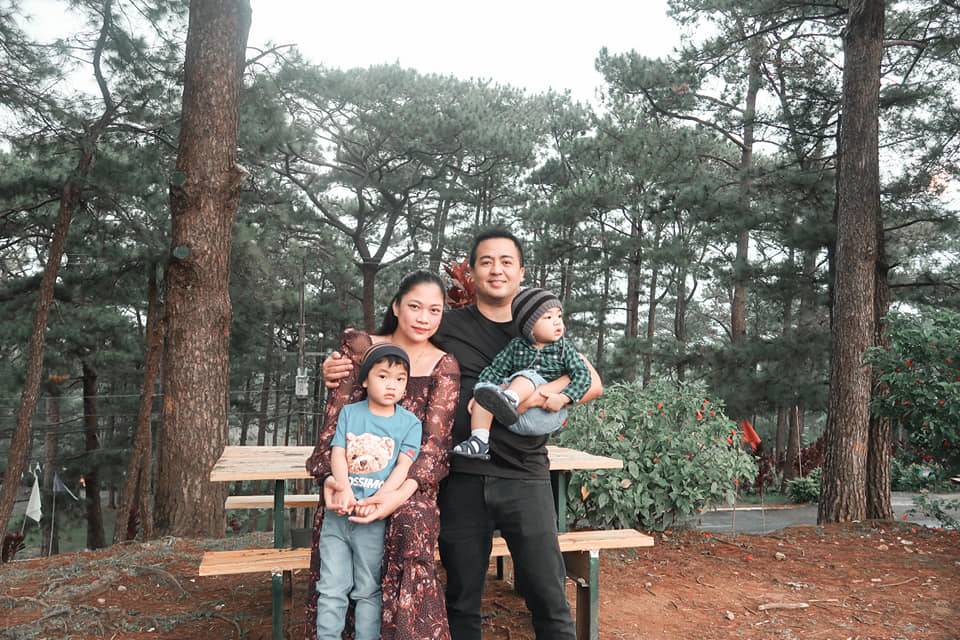
I run everything from Baguio City, Philippines.
Mountain city. Cold air. Pine trees. No traffic. Nowhere near any startup hub. And yet: the business works. The ideas come. The clients are happy.
This isn’t a vacation post disguised as productivity advice. This is what I’ve learned about how environment shapes thinking, and why the location independence narrative isn’t just nice for founders—it’s essential for the kind of work that actually moves the needle.
The Remote Work Advantage Nobody Talks About
Most founders haven’t tried to do deep work in a city designed for shallow work.
San Francisco is brilliant if you’re optimized for:
- Daily relationship maintenance
- Deal flow and serendipity
- Being seen and validated
- Fast feedback loops on ideas
None of those are bad. They’re just not the work that scales.
The work that scales requires something else: slow, focused thinking. Pattern recognition. The ability to sit with a problem for three hours without a Slack notification interrupting you. To see how one broken system creates a domino effect across an entire operation.
That work doesn’t happen around people. It happens away from people.
When I moved operations to Baguio, I didn’t plan it as a productivity experiment. I moved here because my kids needed a safer place to grow up. Because my husband wanted better air and quiet. Because the cost of living dropped and the stress did too.
Then I noticed something.
The business improved.
Not because I worked more. Because I could think clearly. The clients I work with are distributed—UK, Australia, US, Southeast Asia. None of them are in the same timezone, let alone the same room. The work is asynchronous by design. That means it doesn’t matter if I’m in a co-working space full of people. I’m not collaborating in real-time anyway. I’m solving problems, documenting systems, writing strategy.
The best marketing audit I’ve ever done was written at 5 AM in my kitchen, watching the mist lift off the mountains. No one interrupted me. No one was there to distract me. I had clarity.
Why the Startup Hub Myth Persists
It persists because proximity still works for certain things.
If you’re raising venture capital, you probably need to be where the capital is. If you’re building a product with a team of engineers in the same room, same timezone matters. If your model depends on closing deals face-to-face, you need face-to-face access.
But most founders reading this don’t fit those constraints.
Most founders are building service businesses. Productized services. Software with distributed teams. Content businesses. Coaching. Consulting. Digital products. All of it works better asynchronously. All of it requires thinking, not constant presence.
The myth persists because we’ve been taught that proximity equals legitimacy. That being in the center of things means you’re doing something real. That startups happen in specific zip codes.
They don’t anymore. They happen wherever the founder can think.
How Environment Shapes Better Systems
Here’s what I mean by slow, focused thinking.
A client came to me three weeks ago with what they called a “strategy problem.” Their content wasn’t converting. Their sales process was broken. They wanted a new framework.
When I dug in, I found something different: their team was exhausted. The way they’d structured the business made everything manual. Every client deal required the founder’s direct input. Every piece of content was custom. Every sale was fought from scratch.
The strategy wasn’t broken. The system was. And you can’t see that system problem if you’re too busy staying relevant in a constant stream of networking, updates, and noise.
I could see it from Baguio because I had space to see it. I could sit with the problem. I could ask the hard question: “What would have to change for this to work without you in the middle of every decision?”
That’s the kind of thinking that changes a business. It doesn’t happen in a co-working space. It happens in quiet.
Location Independence as a Founder Tool
Remote work has been sold to you as a lifestyle benefit. “Work from anywhere. Travel the world. Digital nomad freedom.”
That’s not wrong, but it’s incomplete.
Remote work is actually a systems tool. It forces you to build a business that works asynchronously. That means:
- Clear written documentation instead of vague verbal understanding
- Decision-making frameworks instead of constant consensus-seeking
- Tools that work without you instead of processes that stall without you
- Client communication that’s intentional instead of constant
- Team scaling that’s possible instead of impossible
Those are all business problems, not lifestyle problems.
When I took the business remote, I had to solve all of them. And solving them made the business better, not just the lifestyle.
The clients I serve are scattered across time zones. They don’t need me in their timezone. They need me to think clearly about their business once per week. To write a strategy that doesn’t require my daily input. To build systems that compound while I sleep.
That’s easier to do in Baguio than it was in a city where I felt obligated to be constantly visible.
The Mountain City Advantage
There’s something specific about Baguio that works for this kind of thinking.
It’s cold. Not freezing, but cold enough that you stay alert. Cold enough that you want to stay inside working rather than be outside distracted. Cold enough that the work doesn’t feel like a sacrifice compared to beach weather.
It’s quiet. Traffic noise is background. There’s no nightlife keeping you up. No constant events pulling your attention. You can hear yourself think.
It’s high. The elevation is high enough to change your oxygen intake, your energy, your metabolism. I notice I think differently here. Slower, but clearer.
These aren’t magical. They’re just environmental factors that shape how a brain works. And for founder-level thinking, they matter more than we’re taught.
You don’t need Baguio. You need environment that matches the work. For me, that’s mountains. For you, it might be somewhere else. But it probably isn’t where you think the “action” is.
The action for most founders isn’t in the room. It’s in the thinking that happens before you ever get into a room.
What This Means for Your Business
Here’s the practical takeaway.
You don’t need to move to Baguio. But if you’re trying to build systems, scale without constantly adding to your own workload, or think clearly about strategy, you need to engineer your environment for that.
That might mean:
- Blocking calendar time for deep work before it gets scheduled away
- Building a team or contractor system that works while you’re not responding immediately
- Choosing a location where the baseline noise level matches your work type
- Creating asynchronous communication systems instead of expecting real-time collaboration
- Defending focus time like it’s a client meeting, because it is
The remote work advantage isn’t about working from a beach. It’s about building a business that doesn’t require you to constantly show up to be valuable.
That’s available to you wherever you are, but it’s easier to build if you choose an environment that supports it.
FAQ
Do I actually need to move to build location-independent systems?
No. You need to engineer your environment for focus. That could be a quiet suburb, a small mountain town, or even just a dedicated workspace in your current city. The point is intentional choice, not constant reaction to your surroundings.
Won’t being outside startup hubs hurt my access to clients and deals?
Not if your business model doesn’t require it. Most modern businesses are distributed anyway. Your clients are online. Your team is online. Your competition is online. Being in a physical hub helps if you’re selling locally or need daily face-to-face relationships. If you’re selling online, location is irrelevant.
How do I stay connected to industry and keep learning if I’m not in a community?
Online communities, podcasts, writing, Twitter, LinkedIn. You get to choose which parts of the startup ecosystem actually serve your business instead of absorbing all of it by proximity. That’s actually an advantage.
Is this just a nice story or are there real business benefits?
Real. When I moved to Baguio, my hourly rates went up, my client wait list grew, and my workload became more manageable. Not because I worked harder. Because the thinking improved. Better thinking leads to better strategy, better systems, better outcomes.
Want to know the highest ROI to automate in your business? Book a complimentary 30-min consultation. I’ll look at what’s manual, what’s automatable, and what it’s costing you.
About the author: Ruth Maclang builds AI-powered department systems for founders through StreamLab AI. Marketing, sales, ops—built once, runs lean. Connect with Ruth on LinkedIn or book a complimentary consultation at calendly.com/ruth-streamlabai/30min.
_This is The Receipts #9. Every week, I share a story from my career and the systems lesson buried inside it. Not advice. Proof._
Leave a Reply