
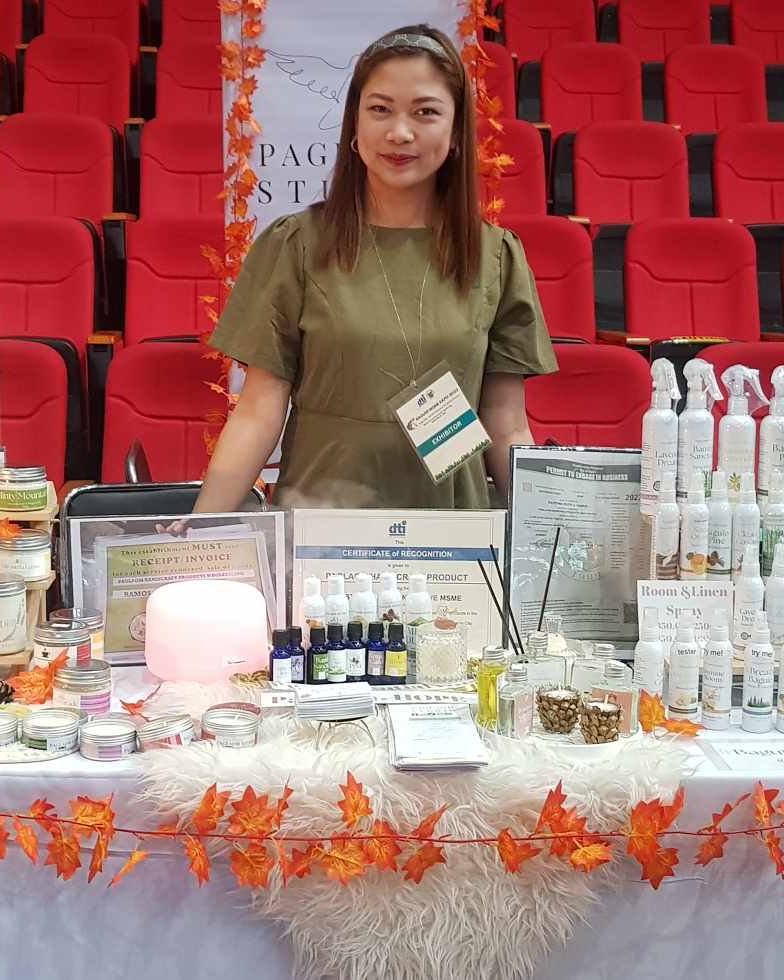
Small Business Operating System: How Paglaom Studio Went From Side Hustle to Brand
The internet told you to follow your passion and the money will follow. The internet was selling something.
Passion is great for starting. Terrible for showing up on a Tuesday when the wax won’t set right and you’ve got 40 orders waiting.
John and I run a candle brand. Paglaom Studio. Handpoured, small batch, made in Baguio City. We didn’t build it with a launch plan or investor money. We built it in the gaps—weekends, evenings, the slack in our calendar. What kept it going when passion ran thin: a clear operating system.
This is what separates a dying passion project from an actual business.
What a Small Business Operating System Actually Looks
When people hear “operating system,” they think fancy. They think Notion dashboards with a hundred integrations or expensive software. It’s not.
Our Paglaom system was built on three things:
1. Ownership
John handles production: sourcing materials, casting, quality control, inventory. I handle orders and customer communication. We’re not overlapping. We’re not both doing logistics. There’s no “wait, did you handle that?” conversation at 9 PM. We know where things live.
This sounds obvious. It’s not. Most small businesses don’t define this. Both partners do everything. Nothing gets done well. Someone gets resentful.
2. Process
Every order follows the same path:
- Customer orders through Shopify
- Order hits a Google Sheet (timestamp, product, shipping address)
- Sheet gets reviewed daily
- John checks inventory against outstanding orders
- He produces what’s needed
- Packed in a standard box with standard materials
- Label printed, ready for pickup
No variation. No “wait, what’s the shipping address?” texts. No forgetting to include a thank-you card. The process runs the business. Not personality. Not memory. Not hope.
3. Tracking
We track two numbers:
- Outstanding orders (what’s owed to customers)
- Inventory on hand (what’s available to sell)
That’s it. We don’t need a hundred metrics. These two tell us everything: Are we behind? Do we have stock? Can we take new orders?
The tracking lives in the same sheet. Updated daily. One source of truth.
Why Passion Projects Fail
Here’s the pattern I see:
Month 1-2: Passion is high. You pour. You pack. You send handwritten notes. It feels special.
Month 3-4: Orders grow. You’re doing this in gaps. Tuesday night, you make 20 candles. Wednesday, you pack 15 orders. Thursday, someone orders 5 units and you realize you’re out of stock. You’re scrambling.
Month 5-6: You’re tired. You packed orders wrong. You forgot someone’s shipping address. A customer gets mad. You wonder why you started this. Passion doesn’t pay you back.
Month 7+: Most people quit. They go back to their job. They tell themselves “that was a fun hobby” and walk away.
The ones who don’t quit? They stopped relying on passion. They built a system.
A small business without systems is a stressful hobby. A small business with systems is a brand. The second one pays you back.
How Division of Labor Keeps You Sane
When John and I started, we both did everything. We’d both make candles. We’d both pack orders. We’d both answer customer emails.
The problem: if John didn’t answer an email for 3 days, I didn’t know. If I was out of lavender wax, John bought more without telling me. We’d double-buy. We’d double-check each other’s work. It was chaos.
The fix was simple. Ownership.
John owns production. End to end. He decides on materials. He tracks inventory. He sets the production schedule. If a customer orders and there’s no stock, that’s his problem to solve.
I own customer-facing. Orders. Communication. Shipping. If an order isn’t accurate, that’s on me.
We still talk. We still collaborate. But we’re not both doing everything. We’re both doing one thing well.
This is why so many founder partnerships blow up. Both people feel like they’re doing all the work. Both are exhausted. Both are resentful. Because there’s no clear ownership. The fix isn’t working harder. It’s dividing the work.
The Difference Between Systems and Burnout
A lot of founders think systems are for big companies. For when you’ve got a team. For when you’re grown up.
Not true. Systems are for when you want to stay sane.
Without Paglaom’s sheet? I’d forget whose order is on hold. I’d accidentally sell inventory we don’t have. John would make product we already have too much of. We’d fight. Someone would get tired. The business would die.
With the sheet? We know exactly what’s happening. No surprises. No resentment. No Tuesday night panic.
That sheet saves our marriage. That’s not an exaggeration.
Systems aren’t a luxury. They’re the difference between running a business you love and running one that runs you.
FAQ
Q: Do I need software to build a system?
A: No. Start with a spreadsheet. Paglaom ran the first two years on a Google Sheet. Software comes later, when the process is already working.
Q: What if my partner and I don’t divide work the same way?
A: Figure out ownership anyway. Don’t need to be 50/50. Could be 70/30. Could change quarterly. But someone owns each part. No gray zone.
Q: How do I know if my business has a good system?
A: You can leave for a week and things still run. Your partner doesn’t need to text you asking how to do something. The process is documented enough that someone else could step in.
Q: Does the system need to be complicated?
A: No. Simple systems work better than complicated ones. If it takes an hour to understand how your business runs, it’s too complicated.
The Receipts #6
When Ruth and John started Paglaom Studio, they did what every founder does: they jumped in on passion. What kept them going when the passion wore thin wasn’t luck. It was three things: clear ownership, repeatable process, and tracked metrics. No fancy software. No consultant. Just answers to “who does what” and “how do we know it’s working.” That’s the operating system. That’s what separates a dead hobby from a real business.
Ready to Build Systems Into Your Business?
Want to know the highest ROI to automate in your business? Book a complimentary 30-min consultation. I’ll look at what’s manual, what’s automatable, and what it’s costing you.
Ruth Maclang builds AI-powered department systems for founders through StreamLab AI. Marketing, sales, ops — built once, runs lean. Connect with Ruth on LinkedIn or book a complimentary consultation at calendly.com/ruth-streamlabai/30min.
_This is The Receipts #6. Every week, I share a story from my career and the systems lesson buried inside it. Not advice. Proof._
Leave a Reply